Exporting from the UK to Saudi Arabia: What British Businesses Need to Know
Saudi Arabia has become one of the most interesting export markets for British companies in recent years. What was once viewed as difficult to access, tightly controlled, and heavily relationship-driven has changed materially—both from a regulatory and commercial perspective.
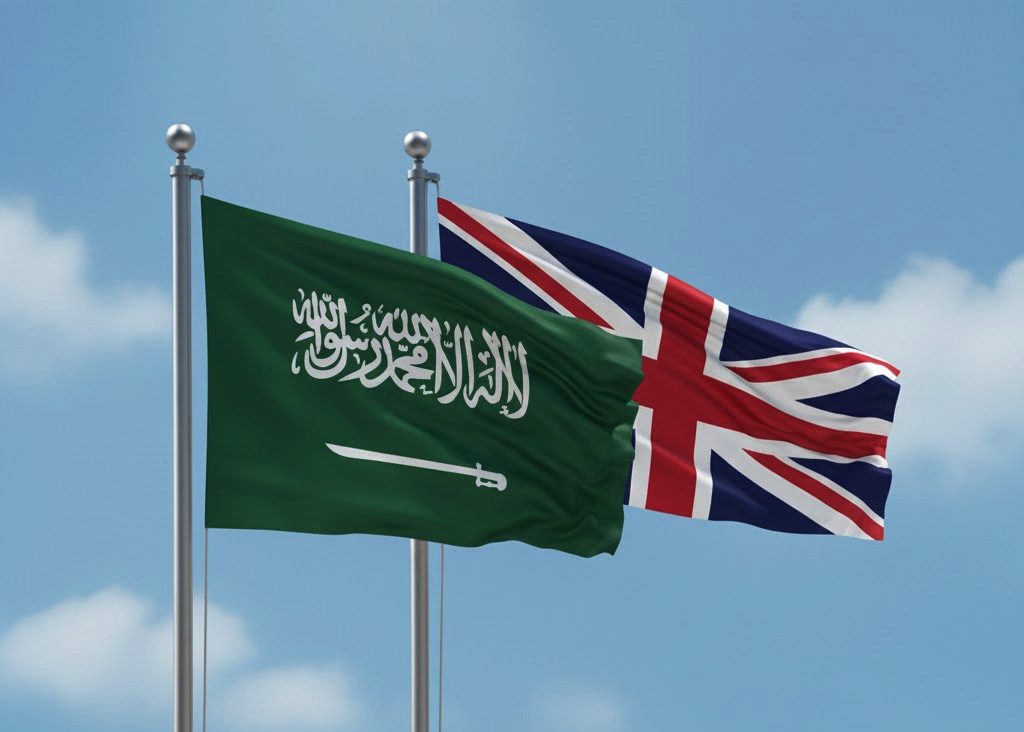
Why Saudi Arabia Is Gaining Momentum for UK Exporters
Saudi Arabia’s economic transformation under Vision 2030 is not theoretical—it is being actively funded and executed. Large-scale investment programmes are reshaping sectors such as retail, infrastructure, construction, consumer goods, healthcare, technology, and manufacturing.
A key driver of this activity is the Public Investment Fund (PIF), which is investing heavily across domestic projects and international partnerships. This has created sustained demand for imported products, equipment, and materials.
UK products are generally well regarded in the Saudi market. British exporters benefit from a reputation for quality, safety, and regulatory discipline—particularly in consumer products, electrical goods, cosmetics, food and drink, and specialist industrial items.
A Major Change: 100% Foreign Ownership Is Now Possible
Until relatively recently, foreign companies entering Saudi Arabia were required to operate through a Saudi partner, often with limited control over the business. For many UK exporters, this structure was a deterrent. That position has changed.
Saudi Arabia now permits 100% foreign ownership in many sectors. This is a significant structural shift and one of the reasons the market feels fundamentally different today. British companies can now:
Establish their own Saudi entities
Retain full ownership and control
Act as their own importer of record
For exporters looking beyond ad-hoc shipments and towards long-term regional growth, this reform alone makes Saudi Arabia a far more viable proposition than it was even a few years ago.
Selling In The Saudi Market
While ownership rules have liberalised, one core requirement remains unchanged: you cannot import products into Saudi Arabia without a Saudi importer.
To clear goods through Saudi customs and complete product compliance:
The importer must hold a Saudi Commercial Registration (CR)
Products must be registered under that CR on the SABER platform
The importer is legally responsible for the product in the Saudi market
In practical terms, UK exporters must decide whether to:
Work with an established Saudi distributor/franchisee/importer, or
Set up their own Saudi entity and import directly
This decision has commercial, operational, and compliance implications and should be made early.
Product Compliance and SABER
Saudi Arabia operates a structured conformity assessment system overseen by SASO. Most regulated products must be registered on the SABER platform before shipment.
Key points exporters should be aware of:
Products must comply with applicable Saudi Technical Regulations
Certification must be issued by an approved conformity assessment body
SABER certification must be completed before goods are shipped, not after arrival
Shipments arriving without valid certification are routinely delayed or rejected.
Get Saudi Compliance Right — Before You Ship
Where UK Exporters Commonly Run into Problems
No importer in place: without a Saudi CR, products cannot be registered or cleared
Assuming UK compliance is sufficient: standards are aligned in places, but not identical
Leaving certification too late: SABER is not a customs formality; it is a pre-shipment requirement
Most issues arise not from complexity, but from timing and assumptions.
How SANTIQ Supports British Exporters
SANTIQ works with UK exporters at every stage of their Saudi market entry, including:
Identifying applicable Saudi technical regulations
Checking existing documentation against the Saudi requirements, and if necessary, testing with accredited laboratories
Managing product certification end-to-end
Advising on importer structure and market-entry approach
Ongoing support for renewals and regulatory changes
The objective is simple: reduce friction, avoid delays, and allow exporters to enter the Saudi market with confidence.
Saudi Arabia is no longer a market that only works for those with the “right local partner”. With ownership reforms, sustained government investment, and strong demand for British products, it has become a serious opportunity for British exporters who approach it properly.
If you are exporting to Saudi Arabia, or considering whether now is the right time, SANTIQ can help you structure compliance and market-entry in a way that works commercially as well as regulatorily.
Contact Us For Support With Exports to Saudi Arabia
Thank you for your message!
We'll get back to you as soon as possible.
Please correct the following errors:
About the Author


Middle-East Regulatory Expert
Gemma Poore is a Middle-East regulatory specialist with over 10 years’ experience in product certification and conformity assessment across the GCC. She has supported brands and manufacturers navigating complex approval schemes and market-entry requirements throughout the region.
Need Expert Help?
Get personalized compliance guidance from our team of experts with over a decade of experience.
Contact an Expert Get a Quote